One Workforce, Many Preferences: Building a Break Room for Every Shift
The strongest refreshment programs combine familiar favorites, better-for-you choices, dietary variety, and dependable access for every shift.



Demographic Labels Should Begin a Question, Not End It
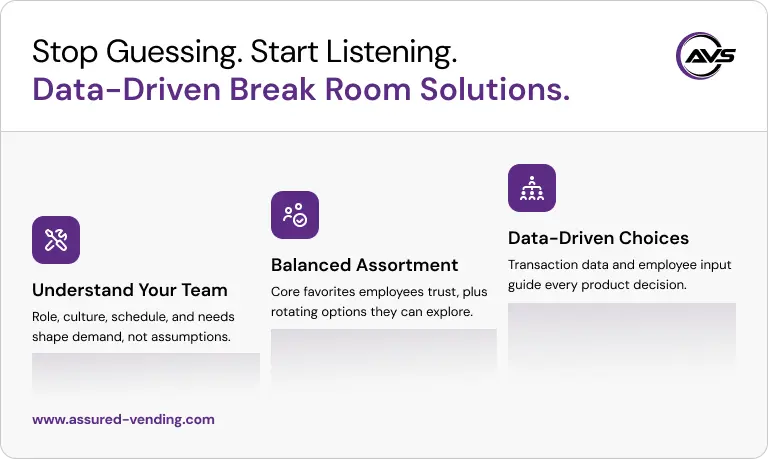
It is tempting to assign product preferences by generation. Younger employees want energy drinks. Older employees want traditional coffee. Shift workers want larger portions. Those patterns may appear in aggregate data, but they are not a reliable plan for a specific site. Role, culture, schedule, income, dietary needs, and personal habits all shape demand.
Assured Vending can use demographic context to design better discovery questions, then validate through transaction data and employee feedback. The objective is not to predict each person. It is to create enough pathways that different employees can find useful choices without making the assortment unmanageable.
Familiarity and Discovery Should Coexist
Every workplace needs a dependable core. Employees notice when a favorite beverage or snack disappears without explanation. At the same time, a static assortment can feel disconnected from changing consumer behavior. The answer is a core set of familiar products plus a smaller rotation of local, emerging, and better-for-you options.
AVS sourcing can include Texas favorites, national brands, dietary-specific choices, and new products. Rotation should be deliberate. Products should enter with a reason, a test window, and a review date rather than remaining because they were once requested.
Cultural Relevance Is Part of Practical Access
The CDC encourages organizations to work with food vendors to make healthier foods culturally preferable as well as available and affordable. Cultural relevance may involve flavors, product types, dietary practices, or meal patterns. It requires listening, not guessing.
AVS can survey employees, work with employer leadership, and test products in a defined market zone. Package labels should remain visible, and the operator should be careful with allergen or dietary claims. Inclusion improves when the assortment is specific enough to be useful and disciplined enough to remain reliable.
Different Shifts Experience the Same Employer Differently
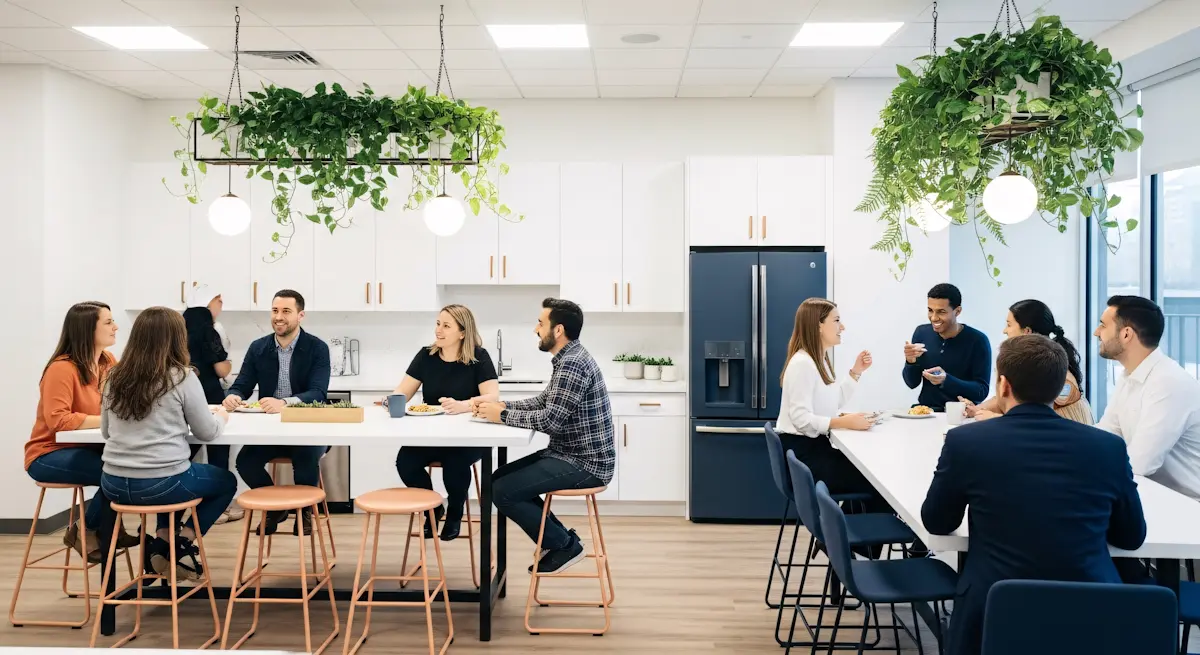
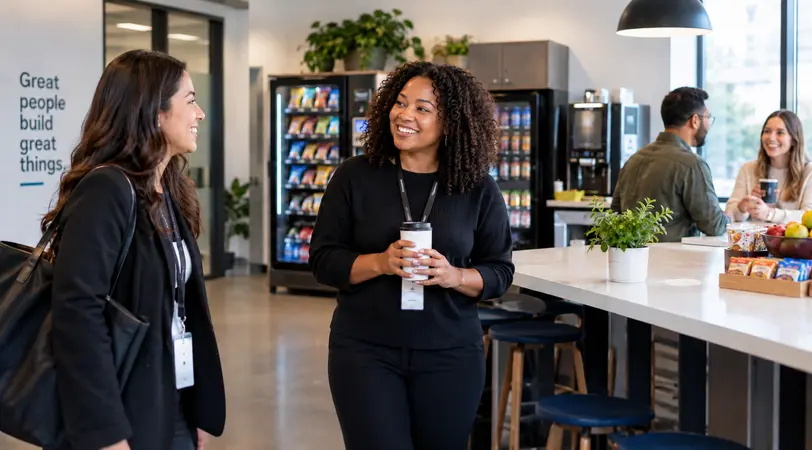
First shift may have access to nearby restaurants, meetings with catered food, and the full management team. Second and third shifts may depend almost entirely on vending, a micro market, or an autonomous cooler. If those locations are empty, poorly maintained, or limited to leftovers, the employer creates an unequal experience.
Assured Vending can include every shift in discovery and review. Product mix, price, meal availability, service timing, and equipment placement can vary by shift while maintaining one standard for quality and accountability.
Coffee Can Broaden the Program without Becoming the Brand Center
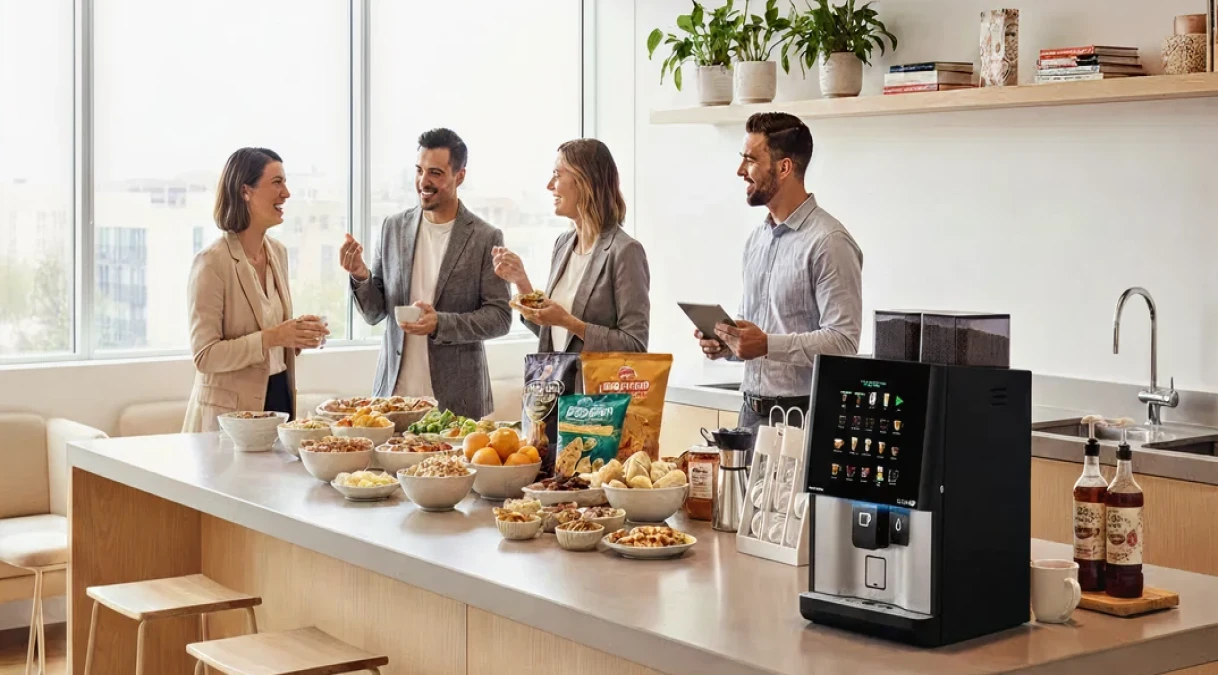
AVS is not primarily a coffee brand, but coffee remains one of the most widely used workplace beverages. NCA reported that 66 percent of adults drank coffee in the past day and specialty coffee consumption remained at a record high. An AVS coffee program can therefore extend the refreshment relationship and create a stronger morning experience.
The opportunity is to offer the right coffee format for the site, from traditional brew to bean-to-cup, along with tea, water, and cold beverages. Coffee should connect to the broader program, not distract from AVS strengths in vending, micro markets, data, and local service.
Inclusive Design Still Depends on Operational Basics
Variety will not compensate for empty machines, failed payment systems, unclear prices, or poor refrigeration. Reliability is the first inclusion standard because every employee depends on the service working. The best assortment becomes irrelevant when access breaks down.
Reliable restocking, cashless payment, clean equipment, and an easy support path matter to every employee. AVS combines smart technology with local service to keep those basics consistent across locations and shifts.
Frequently Asked Questions
How Much Variety Is Enough?
Enough to cover core use occasions, price points, dietary needs, and workforce preferences without creating excessive waste or service complexity.
How Should Employers Collect Employee Preferences?
Use specific questions about products, use occasions, price, shifts, and offsite purchases, then compare responses with actual transaction data.
Does Inclusive Refreshment Require a Micro Market?
No. Smart vending, autonomous coolers, pantry, coffee, water, and micro markets can all support inclusion when the format matches the site.
Sources & Further Reading
- CDC. Work With Food Vendors
- National Coffee Association. Specialty Coffee Consumption Remains at Record High
Ready to Serve More of Your Workforce?
AVS can help you build a more inclusive refreshment program with useful choices, clear labels, multiple price points, and dependable access across shifts. Design a More Inclusive Refreshment Program.
Break Room Tips & Workplace Insights, Delivered to Your Inbox.
Get the latest product trends, expert tips, and exclusive AVS offers, straight to your inbox.